How to Choose the Perfect Waterfront Property
Buying your first home can be exciting but also overwhelming. Discover the most common mistakes new buyers make and how to avoid them.
Olivia Bennett
March 08, 2026
12 Min Read
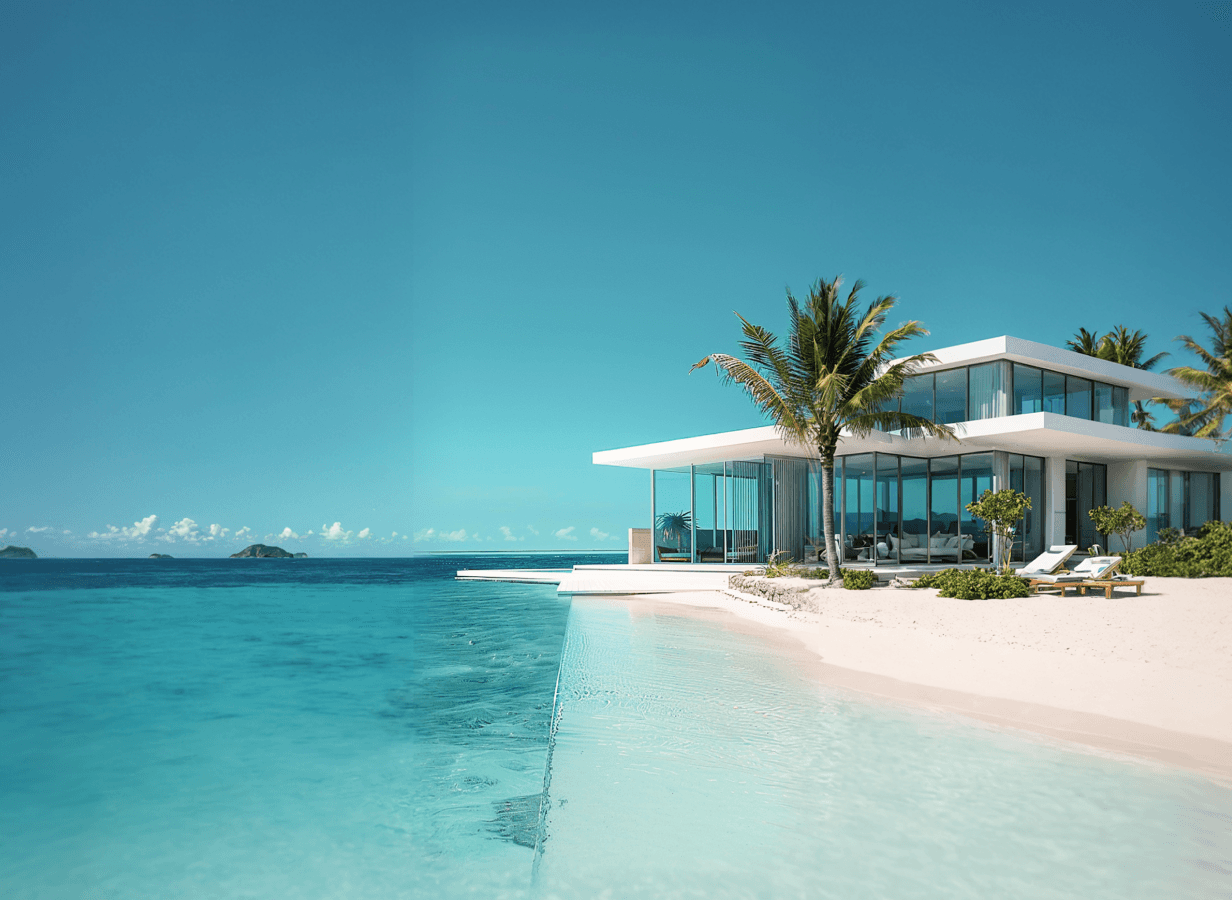
Buying a waterfront property is more than just a lifestyle upgrade—it’s a long-term investment that requires careful planning. From stunning views to high resale value, these properties offer unique benefits, but they also come with specific risks. Here’s how to make the right choice without costly mistakes.
1. Understand Your Purpose
Are you buying for personal use, vacation rental, or long-term investment? Your goal will influence location, budget, and property type.
2. Evaluate Location & Accessibility
Not all waterfronts are equal. Check proximity to essential services, road access, and seasonal conditions that may affect usability.
3. Check Water Quality & View Integrity
Ensure the water is clean and the view is protected from future construction or environmental changes.
4. Assess Flood Risks & Insurance Costs
Waterfront homes often come with higher insurance premiums. Research flood zones, erosion risks, and local regulations before committing.
5. Inspect Structural Integrity
Humidity, saltwater, and wind can damage structures over time. Hire professionals to inspect foundations, roofing, and materials.
6. Review Legal Restrictions
Some waterfront properties have strict zoning laws, building limitations, or public access rules that could affect your plans.
7. Consider Long-Term Value
Look beyond aesthetics. Analyze market trends, rental demand, and future development in the area.

The perfect waterfront property balances beauty with practicality. With the right research and expert guidance, you can secure a property that delivers both lifestyle and financial returns.